Fermented Foods and Probiotics: Practical Integration Strategies
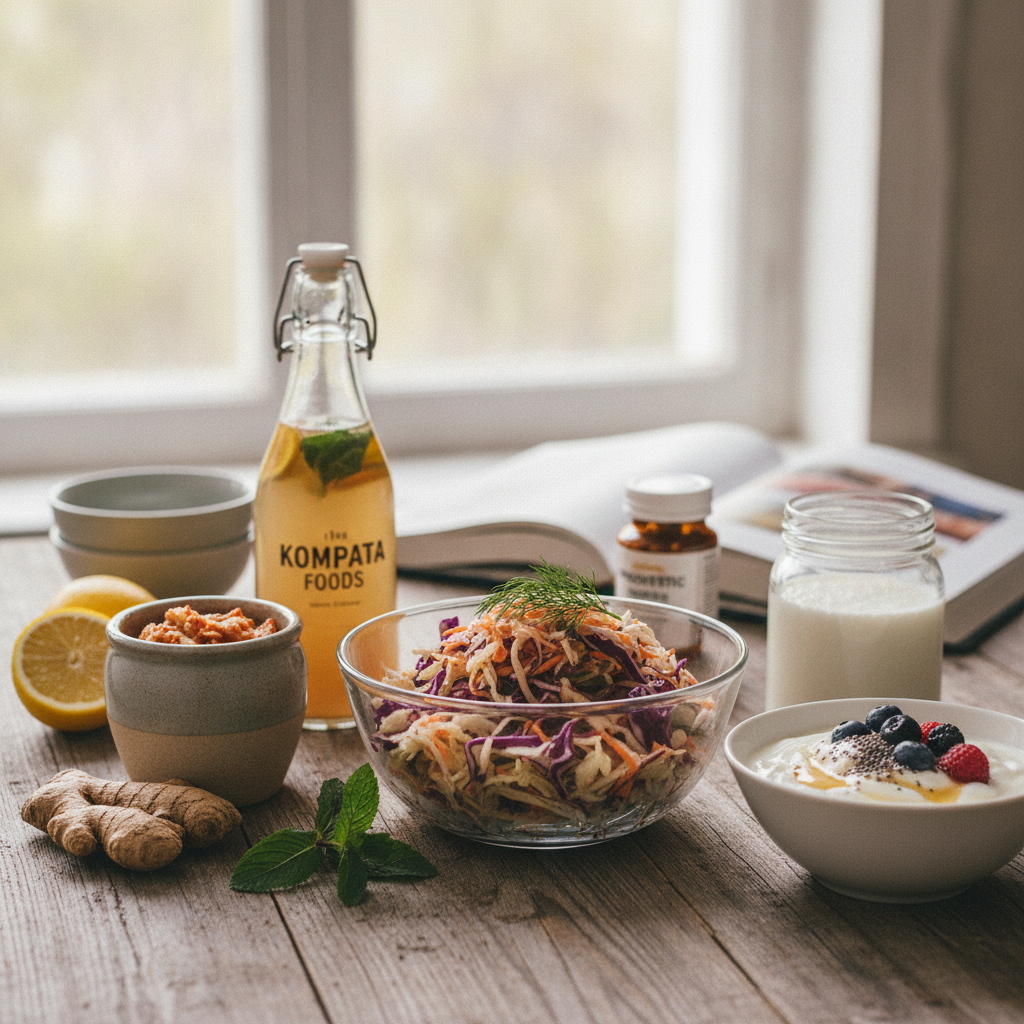
Fermented foods and probiotics are not the same. Fermented foods contain live beneficial bacteria created through fermentation. Probiotics are specific bacterial strains studied for health effects.
Fermented Food Benefits
Fermentation creates beneficial bacteria and compounds. Lactobacillus and Bifidobacterium predominate in many fermented foods. During fermentation, complex carbohydrates break down, increasing digestibility and nutrient bioavailability.
Vitamins are produced during fermentation—B vitamins particularly increase. Fermentation creates compounds with anti-inflammatory properties. These foods provide living bacteria plus the byproducts of fermentation.
Fermented Food Options
Kimchi provides probiotics alongside capsaicin's anti-inflammatory effects. Sauerkraut is simple—just cabbage and salt, producing beneficial Lactobacillus. Tempeh (fermented soybeans) provides probiotics and complete protein.
Kefir and yogurt contain probiotics. Kombucha provides probiotics but varies dramatically in bacterial content depending on brewing. Miso adds umami flavor while providing probiotics.
Probiotic Supplements
Quality varies dramatically. Most effective supplements contain Lactobacillus and Bifidobacterium species, with at least 10 billion CFU. Multi-strain formulations show better results than single-strain.
Enteric coating protects bacteria through stomach acid. Supplemental form (capsule vs powder) affects survivability. Refrigeration is typically necessary though shelf-stable strains exist.
Evidence
Probiotics help with antibiotic-associated diarrhea, reducing risk by 40-60%. They help some people with IBS and may improve immune function markers. However, evidence for broad health claims is limited.
Not all people benefit from probiotics. Some people experience bloating or symptoms from bacterial die-off. Start with small quantities and progress gradually.
Integration Strategy
Eat fermented foods regularly—aim for small servings daily (½ cup sauerkraut, ¼ cup kimchi, or kefir). These provide living organisms adapted to your individual microbiome.
Consider probiotic supplements during antibiotic use or during dysbiosis recovery. Take with food for better survival. Use for at least 4-6 weeks to assess benefit.
Prebiotic Support
Probiotics need prebiotic fiber to thrive. Increasing plant diversity and soluble fiber simultaneously supports probiotic colonization. Garlic, onions, and resistant starch are prebiotic foods.
Realistic Expectations
Fermented foods and probiotics support microbiome health but aren't magical solutions. Combined with dietary diversity, stress management, and sleep, they contribute to a healthy microbiome.