Athlete's Foot: Causes, Progression, and Effective Antifungal Treatment
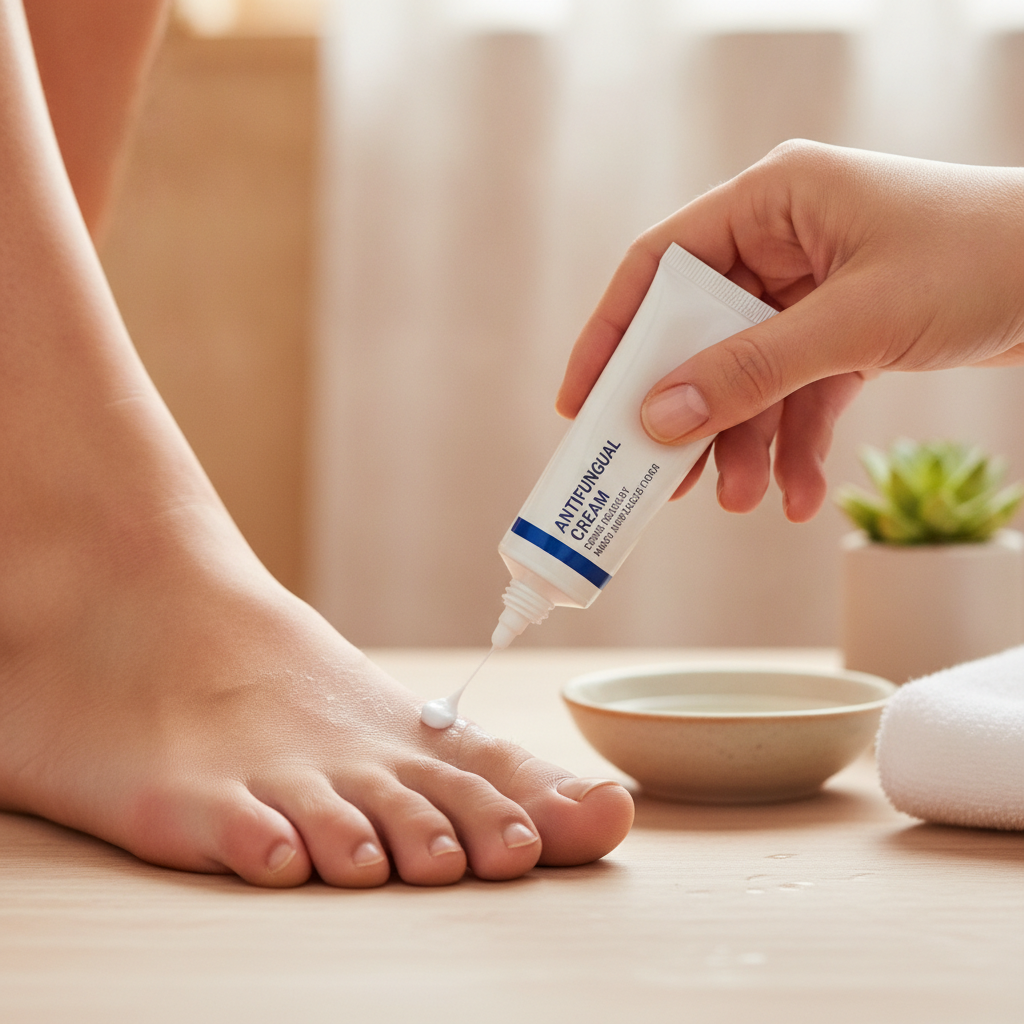
Tinea pedis (athlete's foot) is the most common fungal infection worldwide. It thrives in warm, moist environments and spreads easily through direct contact.
Fungal Characteristics
Dermatophytes are fungi that feed on keratin (the protein in skin, hair, and nails). Three species cause most cases. They are not pathogenic—they don't invade deeper tissues—but their growth causes inflammation and discomfort.
Presentation Types
Inter-digital athlete's foot occurs between toes. The skin becomes macerated (waterlogged), itchy, and may crack. This is the most common form.
Moccasin-type presents with dry, scaling sole and lateral foot. Inflammatory type causes vesicles (fluid-filled blisters) and significant inflammation.
Transmission
Direct contact with infected skin is the primary route. However, fungal spores remain viable in warm, moist environments—shower floors, pool decks, gym floors—spreading infection through contact with contaminated surfaces.
Treatment Approach
Topical antifungal creams (terbinafine, tolnaftate, or azoles) are usually sufficient. Apply to affected areas and 1-2 inches beyond visible infection twice daily for 2-4 weeks. Continue for 1-2 weeks after symptoms resolve to prevent recurrence.
Oral antifungal medications are reserved for extensive infections or when topical therapy fails. These work faster but have higher cost and potential side effects.
Concurrent Issues
Bacterial superinfection can occur if scratching damages skin. Signs include increased warmth, swelling, or pus. Antibiotics may be necessary. Some people develop irritant or allergic dermatitis from fungal toxins or treatment.
Environmental Control
Keep feet dry—moisture is essential for fungal growth. Change socks immediately if damp. Dry feet thoroughly, especially between toes. Use antifungal powder in shoes and socks.
Wash feet daily with soap and water. Disinfect nail clippers, pumice stones, and other foot care tools. Wear breathable shoes and avoid occlusive footwear when possible.
Prevention in High-Risk Settings
Wear shower shoes in communal areas. Avoid touching infected areas then touching other body parts (can spread to groin, nails). Clean and disinfect gym equipment before use.
Timeline
Topical treatment typically produces improvement within 2 weeks. Complete resolution requires 4-6 weeks of treatment.